01
Damage Assessment and Root Cause Review
We inspect the damaged area and the surrounding surface. Understanding why the failure happened is as important as identifying what failed—a repair that doesn't address the root cause will repeat.
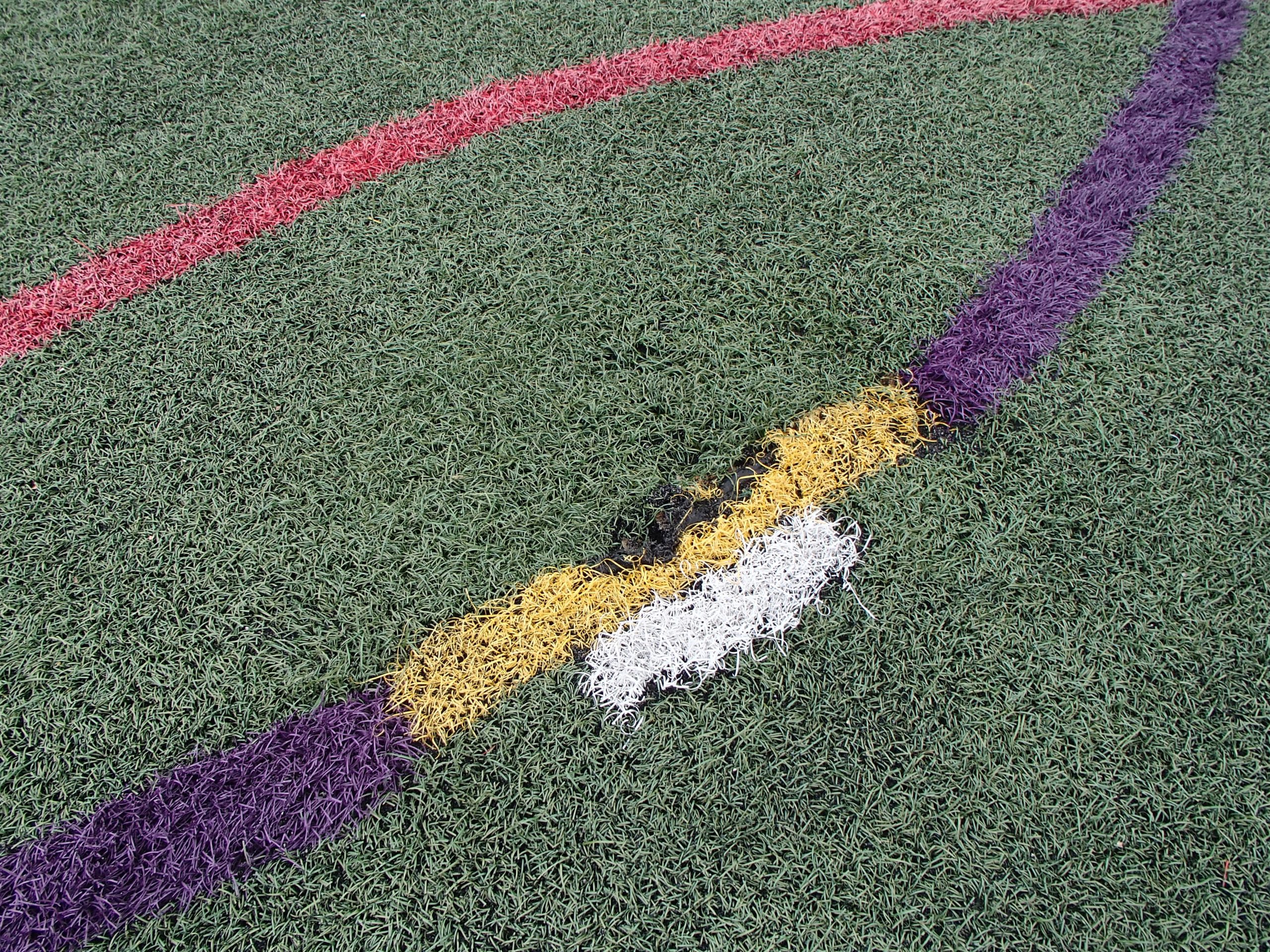
Synthetic grass repair is a category where the honest answer sometimes disappoints the homeowner. Not every damaged turf installation is a repair candidate. Turf that's showing widespread blade degradation, has sub-base drainage failure in multiple zones, or is more than 15 years old often costs more to repair correctly than to replace—and a repair that doesn't address the underlying cause of the damage will fail again on a similar timeline. We say that upfront because the alternative is performing a repair that buys 18 months and then requires the same conversation.
Synthetic grass repair is a category where the honest answer sometimes disappoints the homeowner. Not every damaged turf installation is a repair candidate. Turf that's showing widespread blade degradation, has sub-base drainage failure in multiple zones, or is more than 15 years old often costs more to repair correctly than to replace—and a repair that doesn't address the underlying cause of the damage will fail again on a similar timeline. We say that upfront because the alternative is performing a repair that buys 18 months and then requires the same conversation. That said, a significant portion of repair calls we receive in Allen are genuinely repairable problems that don't justify full replacement. Seam separation on a 7-year-old installation in good overall condition is a repair. A worn patch at the back door threshold of a residential installation where the rest of the surface is performing well is a repair. An edge that's lifted along a patio border because the original installation didn't account for thermal expansion is a repair. These are isolated problems on surfaces that have useful life remaining, and addressing them correctly extends that life.
01
We inspect the damaged area and the surrounding surface. Understanding why the failure happened is as important as identifying what failed—a repair that doesn't address the root cause will repeat.
02
We give you a clear repair scope with cost, and if the installation's overall condition makes replacement the better long-term value, we say that directly. The decision is yours with complete information.
03
Approved repair work is performed with the appropriate materials and methods for the failure type. Seam rebonding, patch installation, and edge resecuring each follow a specific process—we don't apply a generic fix across different failure types.
04
Repaired areas are groomed to match the surrounding surface, infill is balanced across the repair zone, and we verify the fix holds before we leave. We document the repair location for future reference.
The main factors are the age of the installation, the condition of the surrounding surface, and whether the failure is isolated or part of a pattern. A single seam separation on a 6-year-old installation with the rest of the surface performing well is a strong repair candidate. Multiple seam separations plus blade degradation plus drainage problems across the surface is a replacement conversation.
Material matching depends on how recently the original installation was done and whether the product is still available. For installations from 2015 onward, we can usually find a product that's close enough that the patch blends reasonably well after grooming. Older installations may have more visible material variation.
The most common causes are thermal expansion that wasn't accounted for in the original installation, adhesive-only bonding in high-stress transition zones, and sub-base settling underneath the seam line. We identify which factor applies to your seam failure before recommending a repair approach.
A repair that correctly addresses the root cause of the failure—not just the surface symptom—typically holds as long as the surrounding turf. We won't tell you a repair is a permanent fix if it's a temporary stabilization measure.
Tell us about your Allen property and we will provide next-step recommendations for synthetic grass repair.