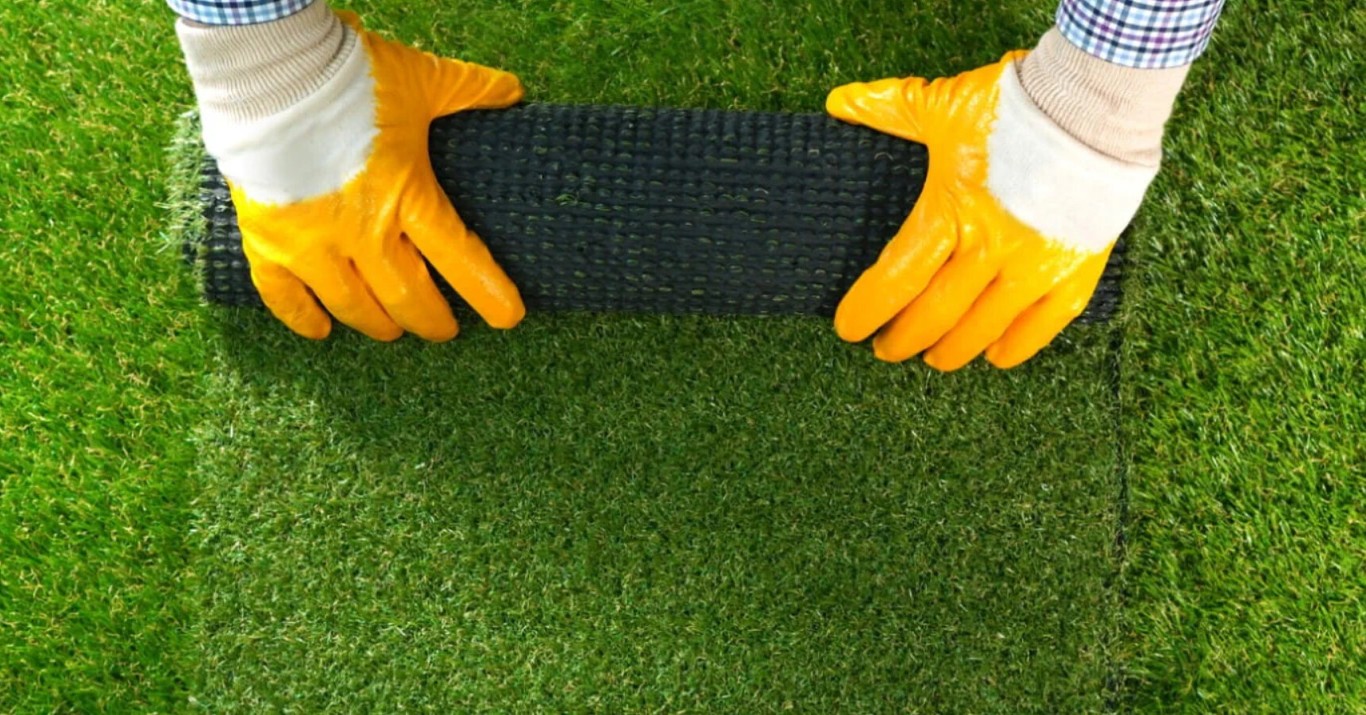
Turf removal in Allen comes up in two situations, and they're different enough that the approach changes based on which one applies. The first is a synthetic turf system that has reached end of useful life—installations from around 2012 to 2016 that are now showing widespread blade degradation, infill loss, and base compaction that maintenance can no longer correct. The second is a homeowner or property manager who installed turf at the wrong spec for the application and needs to start over with a better-matched system. Both require proper removal, but the sub-base situation going into the new installation looks different each time.
Service Overview
Tailored planning for your property layout
Turf removal in Allen comes up in two situations, and they're different enough that the approach changes based on which one applies. The first is a synthetic turf system that has reached end of useful life—installations from around 2012 to 2016 that are now showing widespread blade degradation, infill loss, and base compaction that maintenance can no longer correct. The second is a homeowner or property manager who installed turf at the wrong spec for the application and needs to start over with a better-matched system. Both require proper removal, but the sub-base situation going into the new installation looks different each time.
For Allen properties where the original installation is natural sod that has completed its builder-grade failure cycle, removal means something slightly different: getting down to the existing soil, assessing what years of compacted clay have done to the drainage layer, and making honest decisions about how much sub-base remediation the new installation will require. Twin Creeks, Star Creek, and Stacy Ridge homes where the original builder sod is being replaced often have compacted clay profiles that weren't addressed when the sod was installed—those conditions have to be evaluated before anything new goes down.
Sub-base assessment happens during removal, not after—conditions are documented before replacement planning is finalized
Existing irrigation infrastructure is identified and flagged during tear-out rather than discovered during installation
Grade and drainage problems in the exposed soil are evaluated while the site is open and addressable
Debris containment keeps the site manageable for properties with active households or neighboring tenants
Removal crew communicates findings directly to the installation planning team for continuity
Allen's clay soil profiles are evaluated for compaction depth that may require sub-base work before new turf
Honest scope—if the removal reveals conditions that change the replacement cost, you're told before work proceeds
Coordination with replacement scheduling so there's minimal gap between removal completion and new installation start
How this service is delivered
01
Pre-Removal Assessment and Access Planning
We walk the site before removal begins, documenting the existing installation condition, access points for equipment and debris removal, and any features—plantings, hardscape, irrigation heads—that need to be worked around. The crew lead reviews this with the homeowner before tear-out starts.
02
Removal and Sub-Base Evaluation
Turf and underlayment are removed and debris is contained during extraction. As the sub-base becomes exposed, we assess drainage performance, clay compaction levels, and any grade irregularities that will affect the replacement installation. We document what we find and share it before proceeding.
03
Haul-Off and Site Clearing
All removed material is loaded and hauled off-site. The exposed ground is cleared of residual debris, root material, and organic matter that would compromise the new installation base. The site is left in a condition where replacement work can begin without interim cleanup.
04
Pre-Installation Condition Report
Before the replacement crew arrives, we provide a written summary of sub-base conditions, any drainage concerns identified during removal, and recommendations for base preparation work that the removal findings suggest. This prevents the installation team from inheriting problems that weren't visible from the surface.
Frequently Asked Questions
What does turf removal reveal about the sub-base that I should know before replacement?
In Allen's post-2010 subdivisions, the most common finding is compacted clay soil that wasn't properly addressed during original sod installation. That compaction affects drainage performance in the replacement installation if it's not remediated. We document compaction depth and drainage conditions during removal so the replacement base prep can account for what's actually there.
Can the removal and replacement be done as one project without a gap in service?
Yes, that's our standard approach for replacement projects. Removal is planned so the installation team can follow within a tight window. For most residential projects, removal and base preparation happen over one to two days, and installation begins in the same week.
What happens to the removed turf material?
Synthetic turf removed from Allen properties is taken to appropriate disposal facilities. Depending on the age and condition of the material, some components may be recyclable. We'll explain the disposal options that apply to your specific installation during the pre-removal walkthrough.
Do you handle removal of both synthetic turf and natural sod?
Yes. We remove both synthetic turf systems and natural sod as the first phase of replacement projects. Natural sod removal from Allen's post-2010 neighborhoods often involves addressing the compacted soil layer that develops under sod installed over clay—that step is built into our removal and base preparation process.